
Water damage is common in many homes and can cause significant losses if not handled quickly. Restoration services are crucial in such situations, but how much do they cost? In this post, we will explore the costs of restoration services.
We will examine categories and classes of water damage, factors affecting restoration costs, and signs you need restoration services. We’ll also compare DIY approaches to hiring a professional service and discuss the restoration process.
Whether it’s minor or major damage, this post provides everything you need to know about affordable restoration services.
Understanding Water Damage Restoration
Water damage restoration is crucial for mitigating the effects of water-related disasters. Homeowners can take proactive measures by understanding the process and its importance. Common causes like leaks and flooding emphasize the need for preventive actions.
The restoration process involves assessment, water extraction, drying, and repair. Working with a restoration company ensures thorough restoration while managing costs effectively. By prioritizing measures and considering the severity of the damage, homeowners can minimize further repairs and costs.
Water Damage Assessment

Certified professionals identify affected areas, potential hazards, and necessary equipment required. Moisture testing and documentation for homeowners insurance are common components of the assessment.
Early assessment and restoration action can prevent additional damage, saving on restoration costs. It’s also a good idea to assess harmful contaminants, such as fecal matter, which can pose health risks if not addressed promptly.
Drying Pooled Water
To prevent property deterioration, efficient drying of pooled water is crucial.
Restoration specialists use water extraction equipment for quick and effective drying. They assess the scale of flooding and recommend suitable drying methods, utilizing dehumidifiers and air movers to expedite the process.
Monitoring the progress ensures complete moisture removal and prevents mold growth.
Cleaning and Sanitizing
The restoration process is incomplete without thorough cleaning and sanitizing. It’s crucial to eliminate all dirt, debris, and mold from affected areas during the cleaning process.
The removal of harmful bacteria or microorganisms through sanitizing is equally important. Professional restoration services use specialized tools and cleaners to effectively clean and sanitize.
Thorough cleaning and sanitizing is essential to prevent future issues, such as health hazards and additional costs.
Repair of Damaged Surfaces
Repairing surfaces damaged by water intrusion is critical in the remediation process. Commonly affected areas include drywall, flooring, and ceilings.
Specialized equipment is used by restoration professionals to dry and restore the materials efficiently. DIY repairs are discouraged as they may not effectively restore the damaged surfaces.
Homeowners’ insurance may cover the total cost of repair, but additional costs may be incurred for severe water damage. It’s a good idea to leave the drywall repair to professionals to ensure thorough removal of harmful contaminants and prevent health risks.
Typical Costs for Wall Repair After Water Damage
Wall repairs can be a significant portion of your restoration costs, and the total expense often hinges on both the type of wall involved and the extent of the water damage. Here’s a quick overview of what homeowners can expect:
-
Drywall Repairs: For typical drywall, repairs usually range from $300 to $850. This process often involves removing saturated sections, fully drying the underlying structure, and installing new panels with seamless finishing. Trying to patch affected drywall yourself can lead to unseen mold growth or insufficient drying, so leaving it to the professionals is recommended for a complete fix.
-
Plaster Walls: If you have older or historical plaster walls, repair costs are generally higher, usually falling between $500 and $1,000. Restoring plaster requires a careful touch to preserve its integrity while thoroughly drying and repairing the wall, particularly in older homes where original materials are at stake.
-
Brick and Cinder Block Walls: Moisture can seep into the porous surfaces of brick or cinder block walls, often leading to foundation concerns if not addressed quickly. Restoring these walls typically runs from $525 to $1,250, depending on whether structural repairs or waterproofing measures are necessary.
-
Wallpapered Surfaces: Repairing wallpaper after water damage can be especially challenging, with costs ranging from $960 up to $2,200. The job may include removing bubbling wallpaper, treating potential mold hidden underneath, and professionally reapplying new covering—especially if you have custom or specialty wallpaper.
The severity of the damage, accessibility, and the presence of contaminants can all influence repair prices. It’s always a wise step to consult with restoration specialists to get an accurate estimate based on your home’s unique situation.
Keeping these typical costs in mind helps when budgeting for water damage repairs—and might also motivate a closer look at home maintenance habits to prevent bigger bills down the road.
Average Repair Costs for Different Wall Types
Water can wreak havoc on a variety of wall materials, and repairing the damage requires careful consideration of both cost and technique. Each wall type—whether drywall, plaster, brick, or cinder block—poses unique restoration challenges, impacting the final bill.
- Drywall repairs typically start at around $300 and can reach up to $850, depending on how extensive the water exposure is. The process usually involves removing saturated sections, ensuring the framework beneath is properly dried, and installing new panels before finishing with paint or texture.
- Plaster walls, often found in older or historic homes, are more delicate and require skilled restoration. Costs generally range from $500 to $1,000, reflecting the labor needed to preserve ornamental finishes while thoroughly drying out the underlying structure.
- Brick walls and cinder block walls demand a bit more. Brick repairs can fall between $525 and $1,100, while cinder block restoration usually runs from $650 to $1,250. Restorers have to tackle both moisture within the porous surfaces and potential foundation issues, ensuring proper waterproofing measures are applied to guard against future incidents.
- For walls with wallpaper, expenses rise notably. Repairs begin at about $960 and can soar to $2,200, as water often seeps behind decorative surfaces, causing bubbling, peeling, and potential mold growth. Restoration in these cases usually requires both replacing wallpaper and treating underlying materials to prevent future problems.
In all instances, the specific repair cost depends on the wall material, extent of the water damage, and the labor involved. For the most accurate estimate, homeowners should get a professional assessment and, if possible, consult their insurance for coverage options.
Repairing Water-Damaged Flooring
When it comes to flooring, water damage can be particularly troublesome, not just for the appearance but also for the underlying structure. The average cost to repair water-damaged flooring varies based on the type of material and the extent of the damage.
- Laminate, Linoleum, and Vinyl: Restoring these resilient surfaces typically ranges from $200 to $1,200 for a 200-square-foot space. The process can involve drying, disinfecting, and, when necessary, replacing damaged sections to prevent lingering moisture and mold.
- Tile Floors: Water-damaged tile generally costs between $200 and $2,000 to repair. Restoration may require replacing tiles, regrouting, or addressing subfloor issues caused by moisture saturation.
- Carpet: For carpet, repairs can be a bit pricier—expect to pay between $450 and $2,000. Restoration often involves extracting water, thoroughly drying the carpet and its padding, and sometimes replacing sections that can’t be salvaged.
- Hardwood: Hardwood flooring is especially vulnerable to warping and buckling. Repair costs generally fall between $600 and $2,000 for 200 square feet. Restoration may include specialized drying, sanding, refinishing, or even replacing planks that cannot be restored.
It’s crucial to address water intrusion on flooring promptly to avoid recurring issues like warping, delamination, or persistent odors. In all cases, consulting with a professional restoration team ensures thorough drying and prevents further damage, ultimately saving on additional repairs down the line.
Rebuilding Damaged Structures
Water can lead to extensive structural damage, necessitating rebuilding by restoration professionals. Assessment of the damage is crucial in developing a comprehensive rebuilding plan, which may involve repairing or replacing damaged walls, floors, and ceilings.
Additionally, mold remediation and prevention are integral parts of the restoration process. Opting for an affordable water restoration service can help mitigate the financial burden of rebuilding.
This entails addressing harmful contaminants and ensuring that personal belongings are safeguarded.
Use of specialized equipment
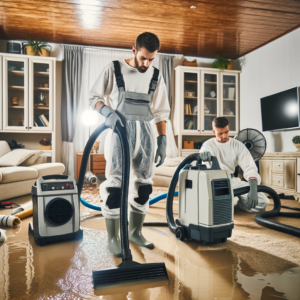 Specialized equipment, including dehumidifiers and air movers, is utilized to extract moisture from the affected area.
In addition, moisture meters and infrared cameras are employed to identify concealed dampness.
This use of specialized equipment guarantees a comprehensive restoration process, minimizing the risk of mold growth.
Deep Water Restoration
In the deep water restoration stage, the primary focus shifts to repairing and rebuilding all areas impacted by water damage. This comprehensive phase often requires replacing drywall, installing new flooring, repairing damaged structural components, and restoring any affected surfaces through repainting or refinishing.
Restoration teams manage and oversee the entire repair process, coordinating each step to ensure that all work is completed efficiently and to a high standard. By addressing both visible and hidden problems, they help restore the property to a safe, healthy living environment. Effective project oversight also helps streamline the process, minimizing disruption for homeowners while ensuring long-term safety and durability.
Average Water Damage Restoration Cost
The average cost for water damage restoration varies depending on factors like the damaged area and severity, category of flooded water, and class of water damage.
Professional restoration companies can provide an accurate estimate based on the required scope of work. Insurance coverage also influences the final cost.
While DIY restoration may seem cost-effective, it can lead to further damage and health risks.
On average, the cost for water damage restoration is around $2,800 to $3,300.
Taking care of minor repairs can cost as little as $800-1,000, while major water restoration costs as much as $8,000 to $9,000.
Investing in professional services can prevent additional expenses in the long run. It’s essential to consider the average price, additional costs such as mold remediation, and the importance of accurate estimates to determine the total cost effectively.
Typical Costs by Type of Water Damage
When evaluating the total price of water damage restoration, it’s important to consider the specific type of damage that has occurred, as each one brings unique challenges and expenses.
-
Cosmetic Damage: This includes visible harm such as stained walls, warped flooring, peeling paint, or damaged wallpaper. While these may appear minor, neglecting them can allow moisture issues to worsen over time. Cosmetic repairs generally range from $150 to $1,000, depending on the materials and the extent of the restoration needed.
-
Personal Item Replacement: Water can quickly damage furniture, electronics, clothing, and other valuables. Restoration teams assess which items can be salvaged and which require replacement. The cost for restoring or replacing personal belongings typically falls between $500 and $1,500, though this can vary based on the item’s value and the method required for restoration.
-
Structural Damage: When water infiltrates deeper into your home, it may compromise floors, walls, ceilings, or even foundational elements. Restoring structural integrity might involve significant repairs or replacements, so costs can range widely—from about $500 for minor repairs to $3,000 or more for major structural issues.
-
Electrical Damage: Electrical systems are particularly vulnerable to water and present serious safety hazards. Water-damaged wiring, outlets, and panels require swift, professional intervention to ensure safety. Repairs or replacements for electrical components may cost from $1,500 up to $10,000, depending on the scope and complexity.
-
Mold Remediation: Moisture left unaddressed often leads to mold growth within 24–48 hours. Removing mold and preventing its return involves specialized cleaning and sometimes removal of affected materials. Typical mold remediation adds $1,500 to $4,000 to your restoration expenses, based on the area affected and the level of contamination.
Understanding the types and typical costs of water damage is crucial for planning your restoration and working with your insurance provider to ensure coverage.
Bathroom Water Damage Repair: What to Expect and Typical Costs
Restoring a bathroom after water damage calls for a specialized approach due to the complex mix of plumbing fixtures, tiling, and potential hidden moisture pockets. Costs for bathroom water damage repair generally range from $500 up to $4,500, depending on the extent and severity of the damage.
Professional repair usually starts with thorough water extraction and drying, using moisture meters to detect hidden dampness behind walls, tiles, and around plumbing fixtures. Next, affected areas—such as drywall, flooring, and ceilings—are cleaned and sanitized to eliminate bacteria, prevent mold growth, and address any contaminated surfaces.
Repairs often involve replacing damaged drywall, resealing tile grout, and restoring or replacing compromised flooring. If water intrusion has affected plumbing or led to sewer issues, remedial work may be necessary.
Restoration professionals focus on both immediate repairs and preventing future issues, ensuring your bathroom is safe, dry, and fully functional. Opting for expert service helps reduce the risk of hidden moisture leading to long-term structural problems or costly mold remediation down the line.
Living Room Water Damage: Costs and Professional Solutions
Restoring a water-damaged living room typically costs between $1,500 and $6,000, depending on the severity and scope of the damage. Factors like burst pipes, ceiling leaks, or flooding often lead to issues affecting drywall, ceiling materials, carpets, or hardwood floors.
Professional restoration specialists approach living room repairs methodically. They start with a thorough assessment—including inspecting subfloors for structural integrity beneath flooring materials. This careful evaluation ensures that both obvious damage and hidden moisture are identified and addressed. Air movers, dehumidifiers, and moisture meters are commonly used tools to detect and eliminate trapped water that could weaken your home’s foundation or encourage mold growth.
Repairs may involve:
- Removing and replacing damaged drywall or ceiling panels
- Drying and sanitizing carpets or installing new flooring if needed
- Treating underlying structures to prevent rot or future deterioration
Prompt professional intervention not only restores the aesthetics of your living room but also protects against long-term structural and health risks. Homeowners are encouraged to rely on certified restoration experts for these repairs, as overlooking hidden moisture can lead to ongoing problems and higher expenses down the road.
Cost of Water Damage Restoration by Category
The cost of water damage restoration also varies by category of water damage. There are three categories, each with its own set of challenges and costs.
Category 1: Clean Water Damage
Clean water damage, typically from a burst pipe or overflowing sink, is the least severe category of water damage.
Restoration involves water extraction, drying, and sanitizing affected areas using specialized equipment like air movers and dehumidifiers to speed up the process.
Costs for restoration services vary based on the damage extent and affected area size.
Clean water can soon become contaminated if left untreated, leading to increased costs for mold remediation and potential health risks. It is crucial to address clean water damage promptly to minimize expenses.
The typical cost to repair water damage is around $4 per square foot.
Category 2: Greywater Damage
Greywater damage refers to water that is contaminated and may contain chemicals, bacteria, urine or other pollutants.
This category includes water from sources such as broken appliances or sewage systems.
Greywater damage restoration requires not only water extraction and drying but also thorough cleaning and disinfection of affected areas to ensure safety.
Because of the potential health risks involved, it is crucial to hire experienced professionals for greywater damage restoration.
The cost can range from $4 to $8 per square foot, depending on the extent of the damage and the level of contamination.
Category 3: Blackwater Damage
Black water damage is the most severe and hazardous category of water damage.
It includes water that is highly contaminated with sewage, chemicals, or other harmful substances.
This type of damage often occurs from natural disasters like floods or sewage backups.
Restoring black water damage requires extensive measures to ensure the safety and health of both the property and its occupants.
The restoration process involves not only water extraction, drying, and sanitizing but also the removal and disposal of affected materials that cannot be salvaged.
When dealing with black water damage, it is crucial to prioritize safety above all else.
The contaminants present in black water can pose serious health risks, including the spread of diseases and infections.
Due to the high level of danger involved, blackwater damage restoration should only be performed by certified professionals with the necessary training and equipment.
The average cost per square foot for black water damage restoration can range from $8 to $12, depending on the severity of the damage and the level of contamination.
However, it is important to note that the cost can vary significantly based on the specific circumstances of each situation.
Cost for Water Damage Restoration by Class
The cost of water damage restoration varies based on the class of damage.
Class 1 incurs minimal damage, such as a small area affected by water, while Class 2 involves more extensive damage affecting an entire room or multiple rooms.
Class 3 results in severe damage where water saturates walls and ceilings, and Class 4 pertains to specialty drying situations like hardwood floors.
Class 1: Minimal Damage
Class 1 water damage, often caused by clean water sources, involves minimal harm, such as a small water seepage or a leaky faucet.
Restoration for this category is generally the least expensive, requiring minimal repairs in the range of $150 to $200.
Despite the minimal damage, swift action is crucial to prevent mold and mildew growth.
It’s advisable to seek professional assessment and restoration to address even minimal damage promptly.
This ensures the preservation of personal belongings and prevents harmful contaminants from affecting the area.
Class 2: Entire Room Damage
When dealing with Class 2 water damage, you’re looking at significant impact throughout an entire space typically containing medium to high porosity materials, though not extending to the structure or exterior.
Remediation normally takes longer and the cost of restoring this level of damage depends on its extent and the necessary equipment, like air movers and dehumidifiers required.
Typical cost for water damage restoration of around $450 can be expected, but Professionals will thoroughly assess the moisture content in walls, floors, and ceilings to prevent mold growth, emphasizing the importance of quick action to mitigate further damage and reduce further costs.
Class 3: Saturation
Saturation, in the context of Class 3 water damage, involves the complete saturation of materials like walls, ceilings, and floors.
Addressing the source of the water promptly is crucial to prevent further damage.
Restoration companies utilize specialized equipment to extract water and dry out affected areas, with the cost depending on the extent of the damage and necessary repairs.
Obtaining a quote from a reliable restoration company can provide an accurate estimate of the total cost for water damage restoration services.
Costs are typically over $1000.
Class 4: Long-Standing Water Damage
Class 4 water damage is the most severe, resulting from standing water over a prolonged period.
Due to extensive damage and the potential for mold growth, the restoration cost is significantly higher.
Specialized equipment and techniques are employed by restoration companies to eliminate moisture and prevent further damage in hard to reach spaces.
The total cost for damage restoration varies based on the damage extent and affected area size.
Taking immediate action is crucial to minimize the cost for water damage restoration of Class 4 water damage.
Costs typically over $3000 can be expected.
Other Factors Affecting the Cost of Water Damage Repair
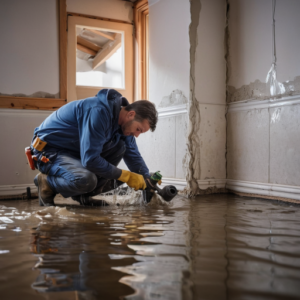 Emergency water mitigation services outside regular business hours may incur additional fees due to the time of day.
Moreover, the cost of living in your area can influence the overall cost of water damage repair services.
These factors, such as the geographical location and the time at which the restoration services are provided, can impact the average cost of water damage restoration.
Considering these aspects is crucial for homeowners seeking accurate estimates and understanding the total cost involved.
Impact of Damage Location on Water Damage Restoration Cost
The location of the restoration area can affect the cost. Basements can be more expensive due to additional equipment and labor.
Damage in multiple rooms increases overall restoration costs, while hard-to-reach areas like crawl spaces can make repairs difficult and time-consuming.
Damage to high-value items such as electronics adds to the restoration cost. A professional assessment is crucial for an accurate estimate.
Foundation Water Damage Repair Costs
Foundation water damage repair generally falls between $2,000 and $10,000, influenced by several factors. Extensive damage—such as shifting, cracking, or weakened supports caused by persistent water pressure—often pushes repair costs to the higher end of the spectrum.
When water saturates the soil around your foundation, it can lead to significant structural concerns, requiring thorough remediation and, in some cases, specialized structural repairs. If the damage has compromised your home’s stability, additional reinforcement or replacement of foundation elements may be needed, further increasing expenses.
A detailed inspection by restoration professionals can reveal the full extent of foundational damage and provide a precise estimate based on necessary repairs and underlying conditions.
How Materials and Location Influence Per-Square-Foot Restoration Costs
The type of material affected by water damage—and where it’s located in your home—plays a big role in determining the cost per square foot for restoration.
-
Drywall: This common material can usually be repaired at a relatively low per-square-foot cost, given that it’s straightforward to remove, dry, and replace. However, if the drywall holds moisture too long, more extensive repairs or mold remediation may be required.
-
Mold Remediation: If moisture leads to mold, expect a notable cost increase. Treating mold involves thorough inspection, removal, and specialized cleaning, making it one of the costlier restoration categories per square foot.
-
Carpeting: Waterlogged carpets are often salvageable if addressed quickly, but require deep cleaning and may even need replacement depending on water type. Restoration costs rise because both removal and new installation might be necessary.
-
Plaster: Older homes with plaster walls and ceilings can be particularly tricky and expensive to restore, as plaster is less forgiving than drywall and might need more labor-intensive repairs.
-
Hardwood Flooring: Hardwood presents a unique challenge since water can seep between planks and underneath boards, risking warping or permanent damage. Restoration often involves delicate drying methods or even full replacement, leading to higher per-square-foot costs.
Rooms with high-value finishes or challenging access, like bathrooms with tile or finished basements, can also add to the total. Understanding which materials have been affected helps homeowners work proactively with insurance and restoration experts to clarify expected costs and necessary repairs.
Roof Water Damage Repair: Typical Costs and Common Causes
Repairing water damage to a roof generally ranges from $350 to $1,400, influenced by both the severity of the damage and the specific type of roof involved. Flat and low-slope roofs may increase your costs due to unique drainage challenges and a higher risk of pooling water, which can require special equipment and expertise.
Several issues frequently lead to roof leaks that result in water damage:
- Ice dams forming along the roof edge, preventing proper drainage
- Damaged or missing shingles exposing underlying materials to moisture
- Compromised flashing around chimneys, vents, or joints letting water seep indoors
Prompt attention to these issues is key—postponing repairs can escalate interior damage and overall restoration costs. A professional roofer will assess all vulnerable areas to ensure proper repair and help you avoid recurring leaks in the future.
Flooded Laundry Room: Typical Costs and Considerations
Restoring a flooded laundry room typically falls between $1,000 and $5,500, depending on the extent of the damage and underlying causes such as leaking washer hoses or appliance malfunctions. These incidents often require prompt attention to address not only visible water but also hidden moisture behind and beneath appliances.
Repairs generally involve:
- Removing and replacing water-damaged flooring or drywall
- Ensuring all affected electrical components are safe and fully functional
- Checking for lingering moisture to prevent mold growth and additional damage
Because laundry areas have plumbing and electrical considerations—and the confined space can trap moisture—a thorough inspection by a water damage restoration professional is crucial. Acting quickly can help reduce total costs, minimize the risk of further damage, and protect your home from recurring issues.
Influence of Roof Type on Water Damage Restoration Costs
The specific type of roof on your home plays a key role in both how water damage is addressed and the costs involved. Flat roofs, for example, often demand specialized repair techniques. Because they’re more prone to pooling water and drainage challenges, restoration may require extra equipment and additional labor compared to standard sloped roofs.
If your roof features low slopes or complicated flashing, issues like leaks and ice damming can lead to water seeping into ceilings or walls, driving up repair costs. Repairs for common problems, such as missing shingles or damage to roofing materials, typically fall within the $350 to $1,400 range depending on the extent of the issues and roof complexity.
Promptly addressing repairs prevents water from infiltrating further and helps reduce the likelihood of escalating costs due to interior damage. It’s always a wise idea to consult with a professional experienced in your specific roof type to ensure an accurate assessment and effective solution.
The Extent of Damage
Minor repairs require less labor and materials, resulting in reduced overall costs.
Conversely, extensive damages require more specialized equipment and professional expertise, leading to increased costs.
Additionally, the type of water involved, whether clean or contaminated, also impacts the cost.
Seeking restoration services promptly increases the likelihood of mitigating damage and reducing costs.
Role of Geographic Location in Costing
When it comes to the cost for water damage restoration, the geographic location may also affect the costs of remediation.
Restoration companies may charge more in areas with higher costs of living or where labor and materials are expensive.
Local taxes, building codes, and insurance regulations also impact costs.
Distance from towns or major centers may also require higher transport costs and time to do repairs.
To ensure the best value for your money, compare prices and services from multiple restoration companies in your area.
Labor Cost Considerations
When considering labor costs for water restoration, it’s crucial to account for the project’s complexity and type.
Emergency services like after-hours work may incur extra fees, and the team’s experience and expertise can also impact costs.
The size and scope of the restoration project determine the number of workers needed, directly affecting labor expenses.
To avoid surprises, a detailed estimate of labor costs upfront is crucial.
Additionally, the average cost for water damage restoration may vary based on factors such as square footage, homeowners insurance coverage, and the presence of harmful contaminants.
Assessing these labor cost considerations can provide a good idea of the total cost to fix water damage, including any additional costs related to the restoration process.
Typical Hourly Rates for Professionals Involved in Water Damage Restoration
When restoring water-damaged property, several types of skilled tradespeople may be needed, each with their own hourly rates. Here are the general ranges homeowners can expect for various professionals:
- Roofers: $35 to $90 per hour
- Painters: $40 to $60 per hour
- Electricians: $40 to $120 per hour
- Carpenters: $40 to $120 per hour
- Plumbers: $75 to $130 per hour
Actual rates will vary depending on local market rates, the project’s complexity, and the experience level of each professional. By factoring in these hourly charges along with the duration and scope of work, you can better anticipate the total labor cost associated with your water damage restoration project.
Additional Costs Affecting Water Damage Restoration Prices
The extent of damage will determine the average water damage restoration price.
Delayed water restoration can lead to severe water damage, resulting in higher costs.
The location of the damage and its accessibility can also impact the average cost, especially if additional services like mold remediation or carpet cleaning are needed, adding to the square foot prices.
Mold Remediation
Mold remediation is essential in cases of water damage to prevent health hazards and additional property damage.
The extent of mold growth and type of mold can impact the cost of remediation services.
Swift action is crucial as mold can spread rapidly, leading to increased costs if not addressed promptly.
Professional mold testing might be necessary to determine the presence and extent of mold growth.
Early detection and remediation of mold can save on long-term restoration costs.
Prompt attention to mold growth can help homeowners avoid significant added expenses associated with excessive moisture and dampness.
Unexpected Repair Costs
Unforeseen expenses often arise from water leaks or flooding, like repairing damaged walls or floors.
Hidden water damage, such as within walls or floors, can also lead to unexpected expenses once uncovered.
Procrastinating can exacerbate the situation, resulting in higher repair costs.
Opting for a reputable restoration company can help minimize unforeseen expenses and offer a fair estimate, ensuring no surprises during the repair process.
Emergency Service Charges
Emergency service charges, incurred outside of regular business hours, vary by company and location. Some companies may offer discounts for regular customers.
It’s essential to inquire about these charges upfront to avoid surprises.
Swiftly addressing water leaks or flooding can help save on emergency service charges in the long run.
The Role of Insurance in Water Damage Restoration Costs
Navigating the aftermath of water damage can be daunting for homeowners, but understanding the role of insurance is crucial.
Insurance coverage can significantly reduce out-of-pocket costs for repairs, provided homeowners review policy details.
It’s imperative to grasp coverage limits, deductibles, and any exclusions for different types of water damage.
Partnering with a reputable restoration company experienced in working with insurance companies is a good idea.
By doing so, homeowners can ensure a smooth and efficient process while mitigating additional costs.
Identifying the Need for Water Damage Restoration
Engaging a professional water remediation company to do a water damage assessment and a cost for water damage restoration estimate as soon as possible after discovering water damage is essential.
Ignoring or delaying this step can lead to further structural problems and potential health hazards.
Professional restoration experts have the necessary expertise and equipment to accurately assess the extent of the damage and provide an estimate for the necessary repairs.
Signs of Water Presence
The presence of standing water in areas is often the cause of warped or sagging floors.
A musty smell lingering in the air can also indicate water damage.
Stains or discoloration on walls and ceilings, as well as peeling wallpaper or bubbling paint, are telltale signs of water intrusion.
Mold growth, especially in moist areas like bathrooms or basements, is another indicator that water damage may be present.
It’s important to pay attention to these signs and take immediate action to prevent further repairs later.
Detecting Mold Growth
Visible mold growth typically manifests in black, green, or white colors.
Musty or earthy odors can be indicative of mold growth, and exposure may lead to allergic reactions or respiratory issues.
Damp, dark, and warm environments are common grounds for mold proliferation, potentially causing structural damage.
Identifying Paint Damage
The presence of bubbling or peeling paint could be a sign of moisture, which may be caused by stagnant water or a minor leak.
Paint that is discolored or cracked can also indicate water infiltration.
Not only can damp patches and water stains harm the paint, but they can also result in the need for drywall repairs.
Additionally, the growth of mold behind the paint can have negative effects on health, underscoring the importance of addressing dampness and remedying any mold issues.
It is advisable to examine for paint bubbling following events such as river flooding or toilet overflow to prevent unexpected expenses for repairs.
Recognizing Floor Damage
Swollen, buckled, or deformed floorboards could point to the presence of water damage, requiring water restoration.
If the floors feel soft, spongy, or damp, it may indicate moisture lurking beneath the surface, possibly necessitating floorboard repairs.
Additionally, cracked, loose, or absent tiles might serve as an indication of potential moisture.
Foul odors, staining, or mold growth on floors should also be taken seriously, often leading to a need for mold remediation.
Furthermore, sagging or uneven floors are clear signs of underlying moisture problems, warranting professional water damage restoration services and the resulting water damage floor repair cost.
Choosing Between DIY and Hiring a Professional
When deciding between tackling restoration on your own and hiring a professional, it’s important to understand the extent of the repairs needed.
For minor issues with clean water, DIY may be a good idea, but extensive damage, mold growth, or contamination by black water requires professional expertise and equipment.
Professionals ensure thorough drying, water restoration, and drywall repair, averting unforeseen issues.
The average cost for water damage restoration varies depending on the severity of the damage, impacted square footage, labor, and equipment needed.
Making an informed decision based on specific circumstances can save time, money, and potential secondary damage in the long run.
Benefits of Hiring a Professional Restoration Service
When facing moisture mitigation, hiring a professional restoration service proves to be a good idea for various reasons.
Professionals possess the expertise needed to handle water mitigation with efficiency and precision.
They ensure thorough moisture extraction and drying, preventing potential long-term damage to the property.
Moreover, professional restoration services mitigate health hazards such as standing water and mold growth, safeguarding the well-being of occupants.
With access to necessary equipment and expertise, restoration companies deliver comprehensive solutions, including drywall repair and addressing sewage backups.
It’s also worth noting that insurance companies often recommend or require professional restoration, emphasizing its importance in the water restoration process.
What Does a Professional Water Damage Restoration Process Look Like?
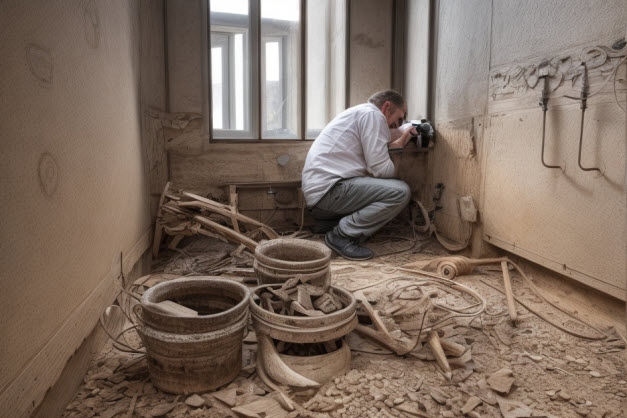 The professional restoration process starts with assessing the extent of damage.
This assessment helps determine the appropriate course of action and estimate the cost of restoration.
Professionals then proceed with water extraction using specialized equipment to remove standing water from affected areas.
This is followed by thorough drying using industrial-grade dehumidifiers and fans to prevent moisture-related issues such as mold growth.
Once the affected areas are dry, professionals focus on cleanup and sanitation.
This may involve removing damaged materials, disinfecting surfaces, and treating for mold if necessary.
The goal is to restore the property to its pre-damaged condition as much as possible.
In cases where structural repairs are needed, professionals will take care of them as well.
This includes repairing any damaged drywall, replacing flooring, and addressing any other structural issues that may have arisen.
Conclusion
Water damage can cause significant harm to your property, and it’s crucial to address the issue promptly.
The cost for water damage restoration depends on various factors such as the extent of the damage, the category of water, and additional costs like mold remediation.
It’s important to identify the signs of water presence and mold growth to determine if restoration is needed.
While DIY restoration may be considered for minor repairs, hiring a professional restoration service offers numerous benefits, including expertise, specialized equipment, and efficient restoration processes.
Remember, the safety and well-being of your property should always be a priority, so don’t hesitate to reach out to a professional water damage restoration company for assistance.
